The History of Brass in Indian Kitchens
Walk into any antique market in India — from Chor Bazaar in Mumbai to Janpath in Delhi — and you'll find them: stacks of old brass vessels, worn smooth by generations of use, each one carrying the memory of countless meals and rituals. Brass is not just a metal in India. It's a story.
And it's a story that stretches back over 3,000 years.
Ancient Beginnings
Brass — an alloy of copper and zinc — has been produced in India since at least 1000 BCE. Archaeological evidence from the Indus Valley Civilisation suggests that copper-based alloys were already in use for vessels, tools, and ornaments long before recorded history.
By the time of the Vedic period, brass and copper vessels were firmly established in Indian households. Ancient texts like the Charaka Samhita and Sushruta Samhita — foundational Ayurvedic scriptures — specifically recommend brass vessels for cooking, storing, and serving food, citing their health benefits and antimicrobial properties.
Brass in the Royal Courts
During the Mughal era and the reign of various Indian kingdoms, brass craftsmanship reached extraordinary heights. Royal kitchens were equipped with elaborate brass vessels — massive deghchis (cooking pots), ornate serving trays, and intricately engraved thalis. The cities of Moradabad, Jaipur, and Thanjavur became famous centres of brass craftsmanship, a reputation they maintain to this day.
Brass was also deeply embedded in temple culture. Idols, diyas, bells, kalashes, and puja thalis were all crafted in brass — a tradition that continues across India.
Brass in Everyday Indian Life
For ordinary Indian households, brass was the metal of daily life. Before stainless steel arrived in the 20th century, the Indian kitchen was a brass kitchen:
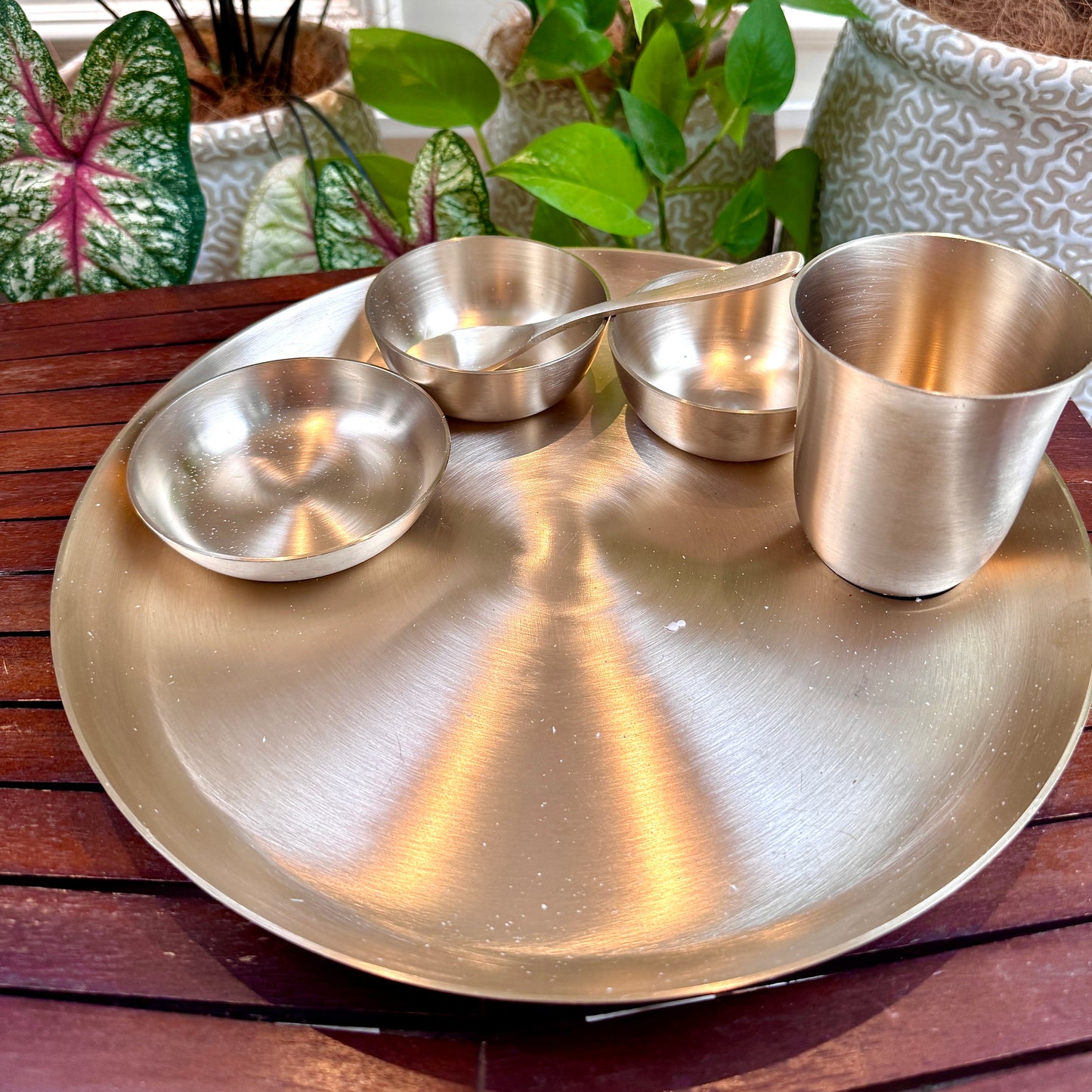
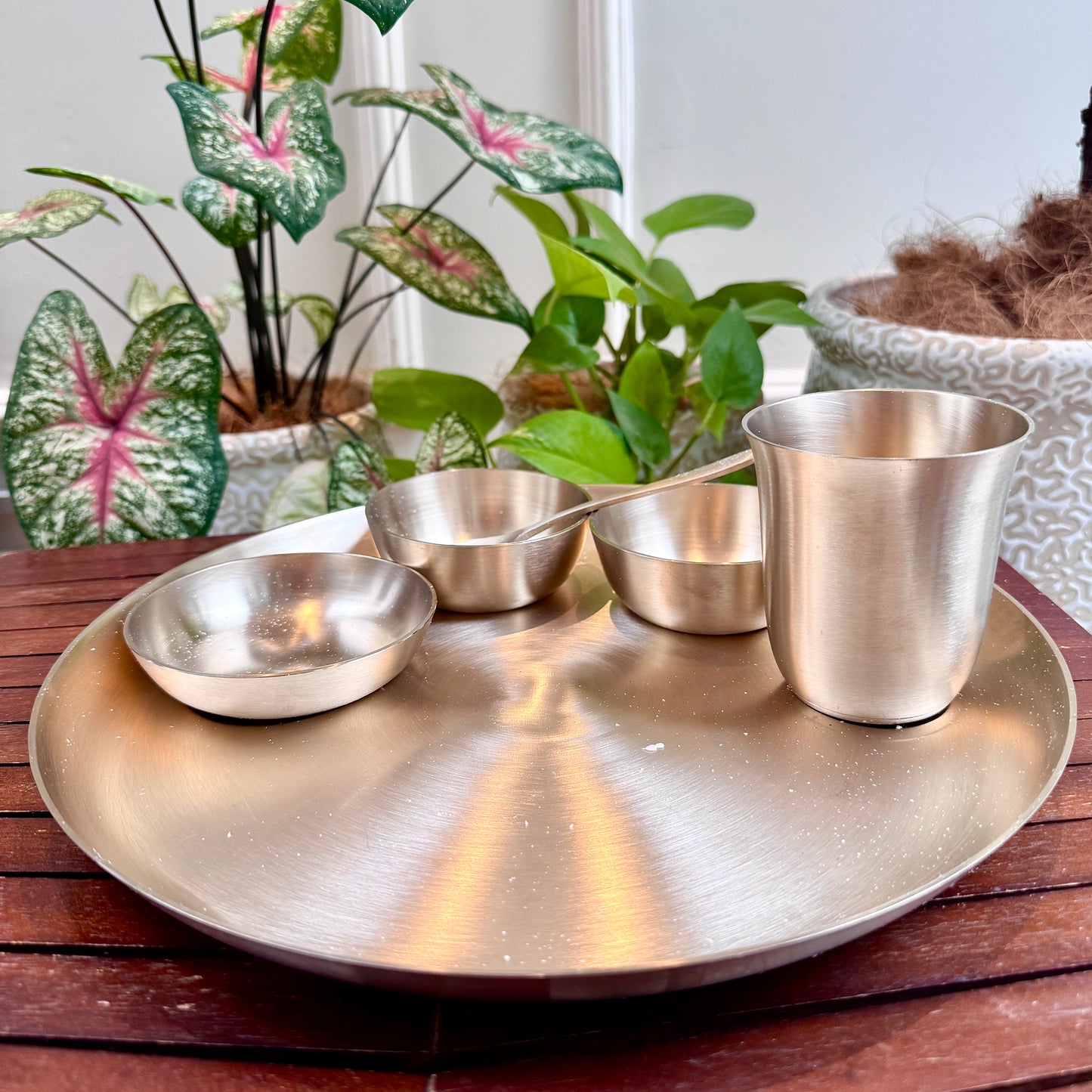
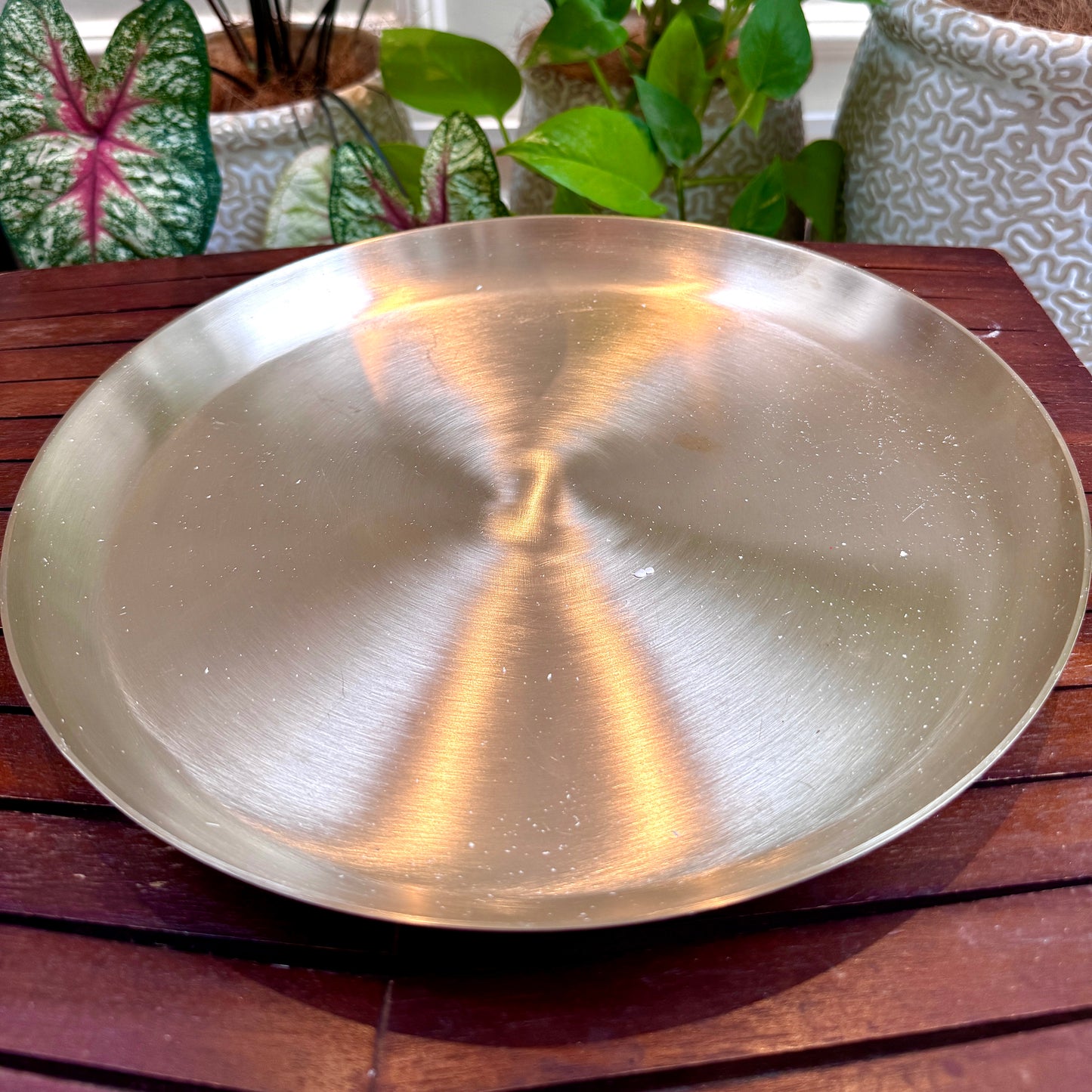
- Brass thalis for eating
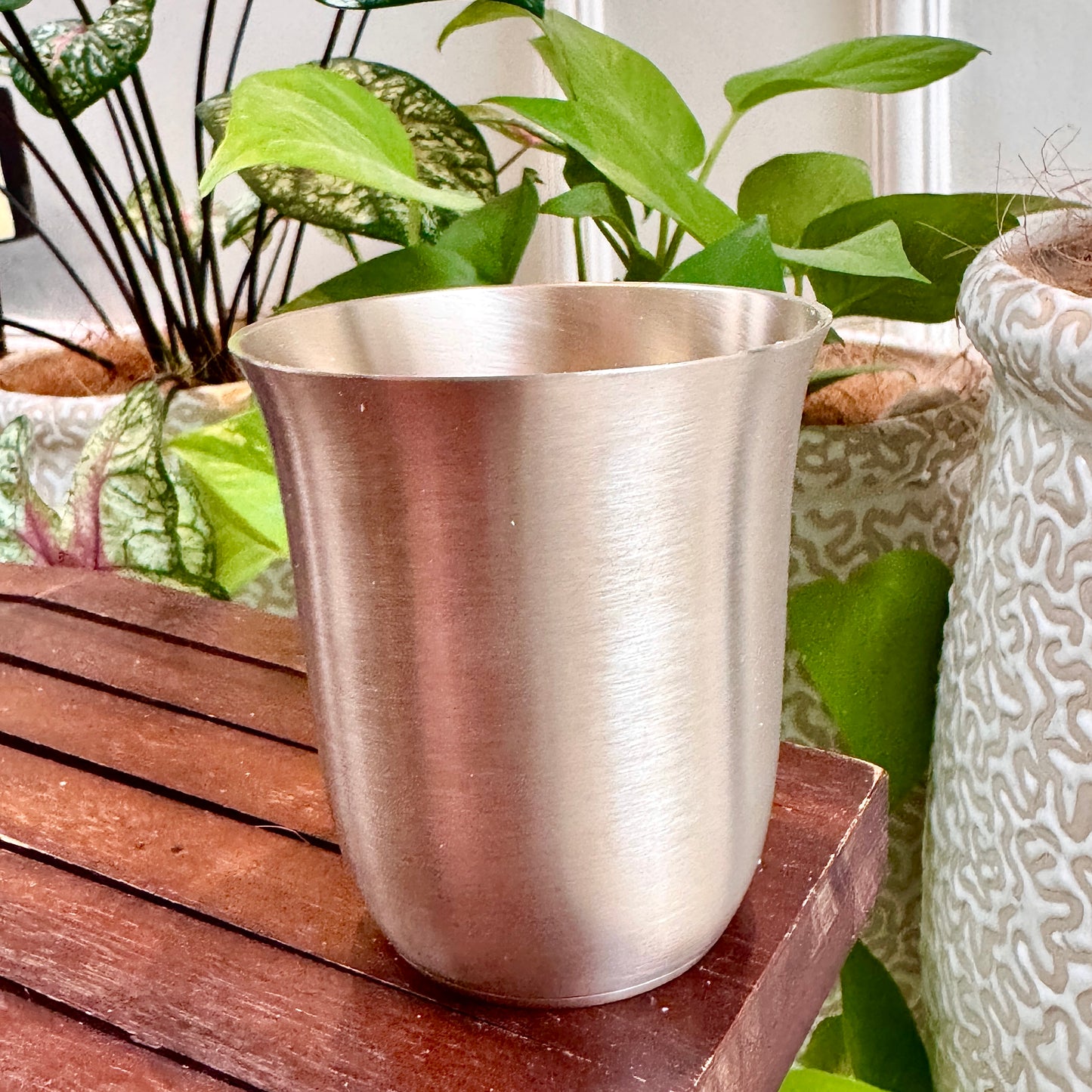
- Brass lotas for water
- Brass degchis and handis for cooking
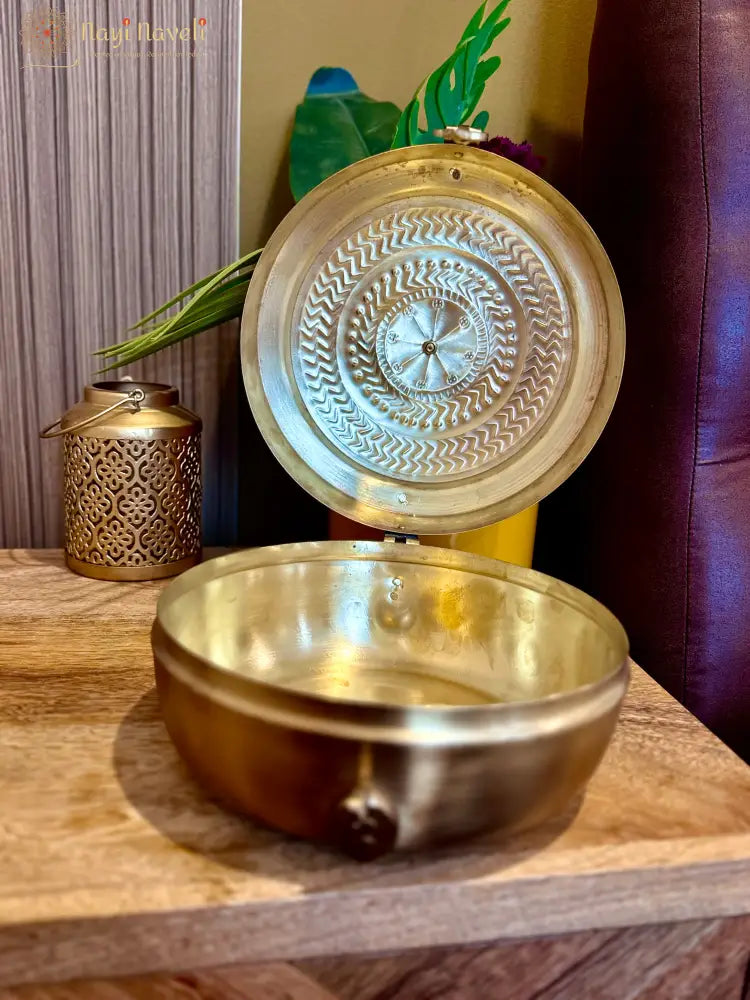
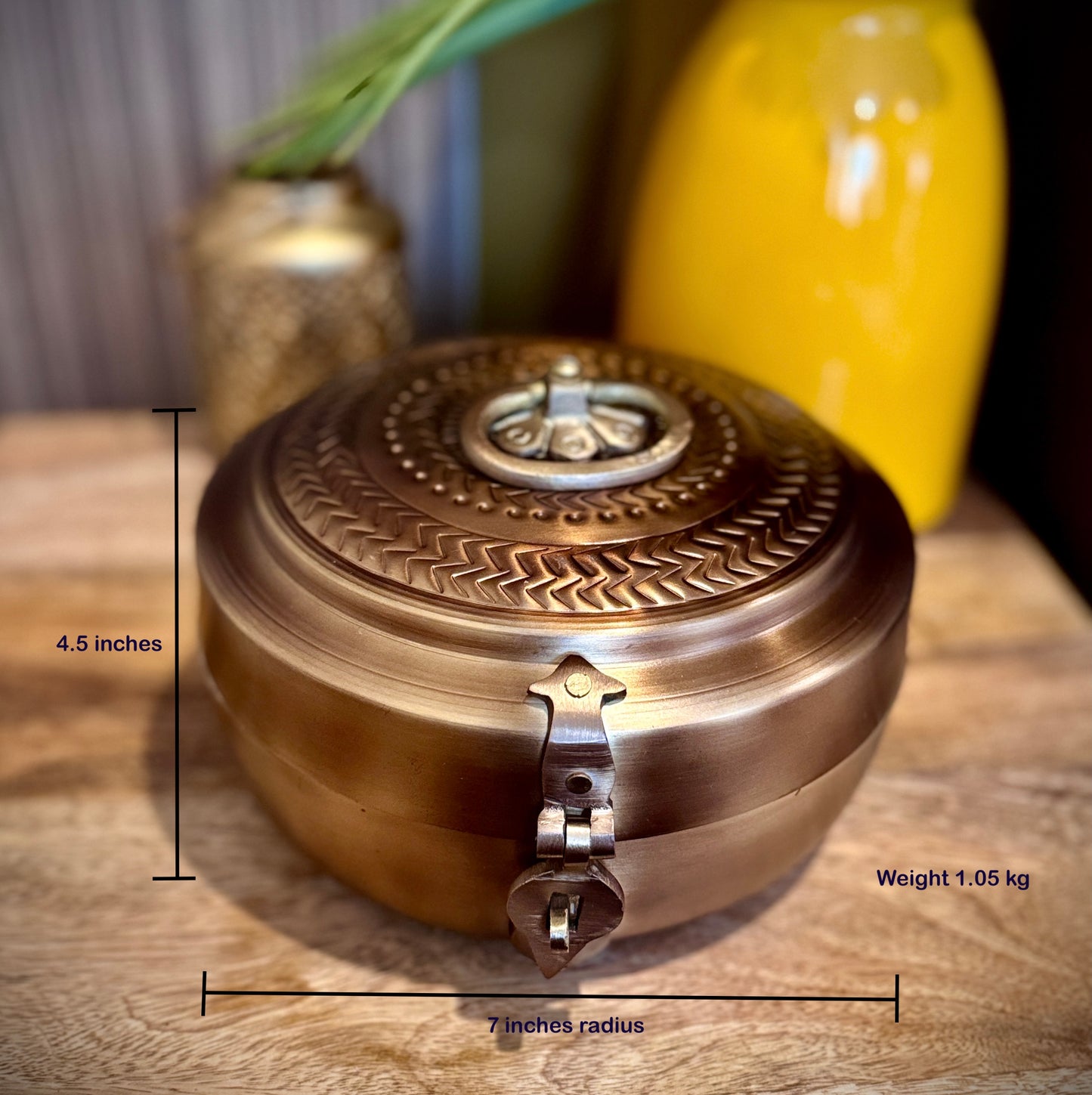
- Brass storage jars for spices, ghee, and grains
- Brass puja items for daily worship
Brass vessels were treasured possessions, often passed down through generations as part of a daughter's trousseau — a tradition that gave rise to the very concept of Nayi Naveli (the new bride's trousseau).
The Stainless Steel Disruption
The mid-20th century brought mass-produced stainless steel to Indian kitchens. Cheaper, lighter, and easier to maintain, steel quickly displaced brass from everyday use. By the 1980s and 90s, brass had largely retreated to puja rooms and antique collections.
But the story doesn't end there.
The Modern Revival
Today, brass is experiencing a powerful renaissance. Driven by growing interest in Ayurveda, sustainable living, and artisanal craftsmanship, a new generation of Indians is rediscovering the beauty and benefits of brass kitchenware.
Social media has played a significant role — a gleaming brass masala daani or an engraved thali set photographs beautifully and resonates with the growing appetite for authentic, heritage-inspired aesthetics.
At the same time, the gifting industry has embraced brass wholeheartedly. Handcrafted brass sets have become the go-to choice for premium Diwali gifts, wedding presents, and corporate gifting — because they carry cultural weight, aesthetic beauty, and practical value in equal measure.
The Artisans Behind the Metal
Behind every brass vessel is a skilled artisan — often part of a family that has practised this craft for generations. Cities like Moradabad (the "Brass City of India"), Jaipur, Thanjavur, and Rewari are home to thousands of craftsmen who shape, hammer, engrave, and polish brass into objects of beauty.
At Nayi Naveli, we work directly with these artisans, ensuring that every piece we sell is genuinely handcrafted and that the people who make them are fairly supported.
The history of brass in Indian kitchens is the history of India itself — ancient, resilient, and endlessly beautiful. Explore our brass collection and bring a piece of that history into your home.
Made in India. Cherished everywhere. 🇮🇳