South Indian Filter Coffee — The Ritual & the Right Equipment
There are few things in the world as comforting as a perfectly brewed South Indian filter coffee. That rich, dark decoction, mixed with just the right amount of hot milk and a touch of sugar, poured back and forth between a brass tumbler and a dabara until it's frothy and fragrant — it's not just a drink. It's a ritual.
And like all great rituals, it deserves the right equipment.
The History of South Indian Filter Coffee
Filter coffee — also known as kaapi in Tamil and Telugu — has been a cornerstone of South Indian culture for centuries. It's believed to have become popular in South India in the 17th century, when coffee cultivation spread from the hills of Coorg and Chikmagalur.
The traditional South Indian coffee filter — a two-chambered metal device — has remained largely unchanged for generations. And the brass tumbler-dabara set, used for mixing and cooling the coffee, is as iconic as the drink itself.
The Art of Brewing Filter Coffee
Making authentic South Indian filter coffee is a meditative process. Here's how it's done:
What You Need
- A South Indian coffee filter (brass or stainless steel)
- Freshly ground coffee powder (medium-coarse grind, ideally a blend with chicory)
- Hot water
- Full-fat milk
- Sugar (to taste)
- A dabara and tumbler set
The Process
- Add coffee powder to the upper chamber of the filter. Use about 2-3 teaspoons per cup. Press it down gently with the pressing disc.
- Pour hot water (just off the boil) over the coffee powder. Fill the upper chamber.
- Wait patiently — the decoction drips slowly into the lower chamber. This takes 10-15 minutes. Do not rush it.
- Heat your milk until hot but not boiling.
- Mix the decoction with hot milk in your dabara. The ratio is typically 1 part decoction to 3 parts milk, but adjust to your taste.
- Pour and froth — pour the coffee back and forth between the tumbler and dabara several times to mix and cool it to drinking temperature. This also creates the characteristic froth.
- Serve and savour — drink from the dabara, holding the tumbler underneath to catch any drips.
Why Brass Makes the Best Coffee Filter
While stainless steel filters are common, a handcrafted brass coffee filter offers several advantages:
- Heat retention — brass retains heat better than steel, keeping the decoction warm longer
- Slower, richer extraction — the weight and density of brass creates ideal conditions for a slow drip, resulting in a richer decoction
- Aesthetic beauty — a gleaming brass filter on your kitchen counter is a statement piece
- Cultural authenticity — brass filters are the traditional choice, connecting you to generations of South Indian coffee culture
The Dabara-Tumbler: An Icon of South Indian Culture
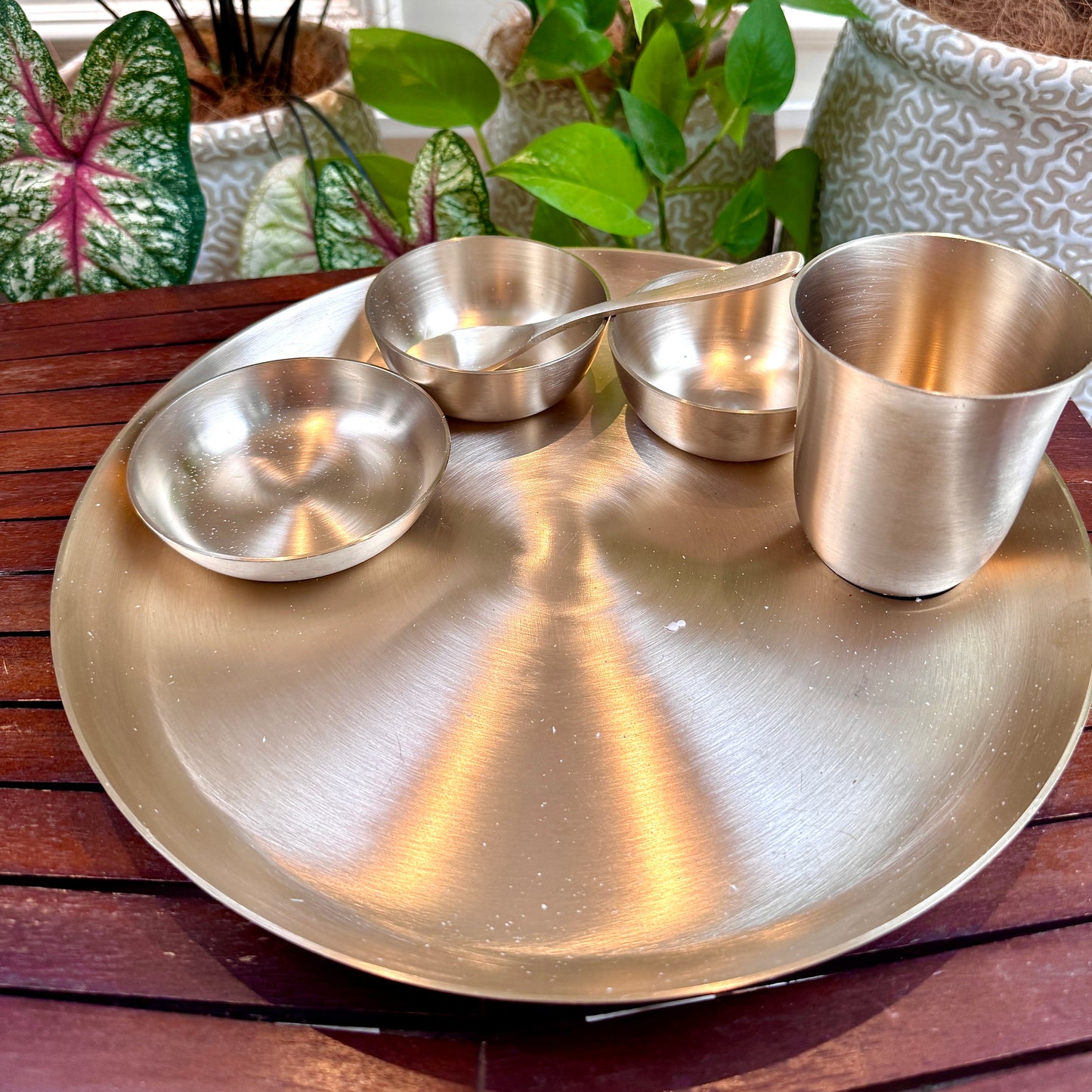
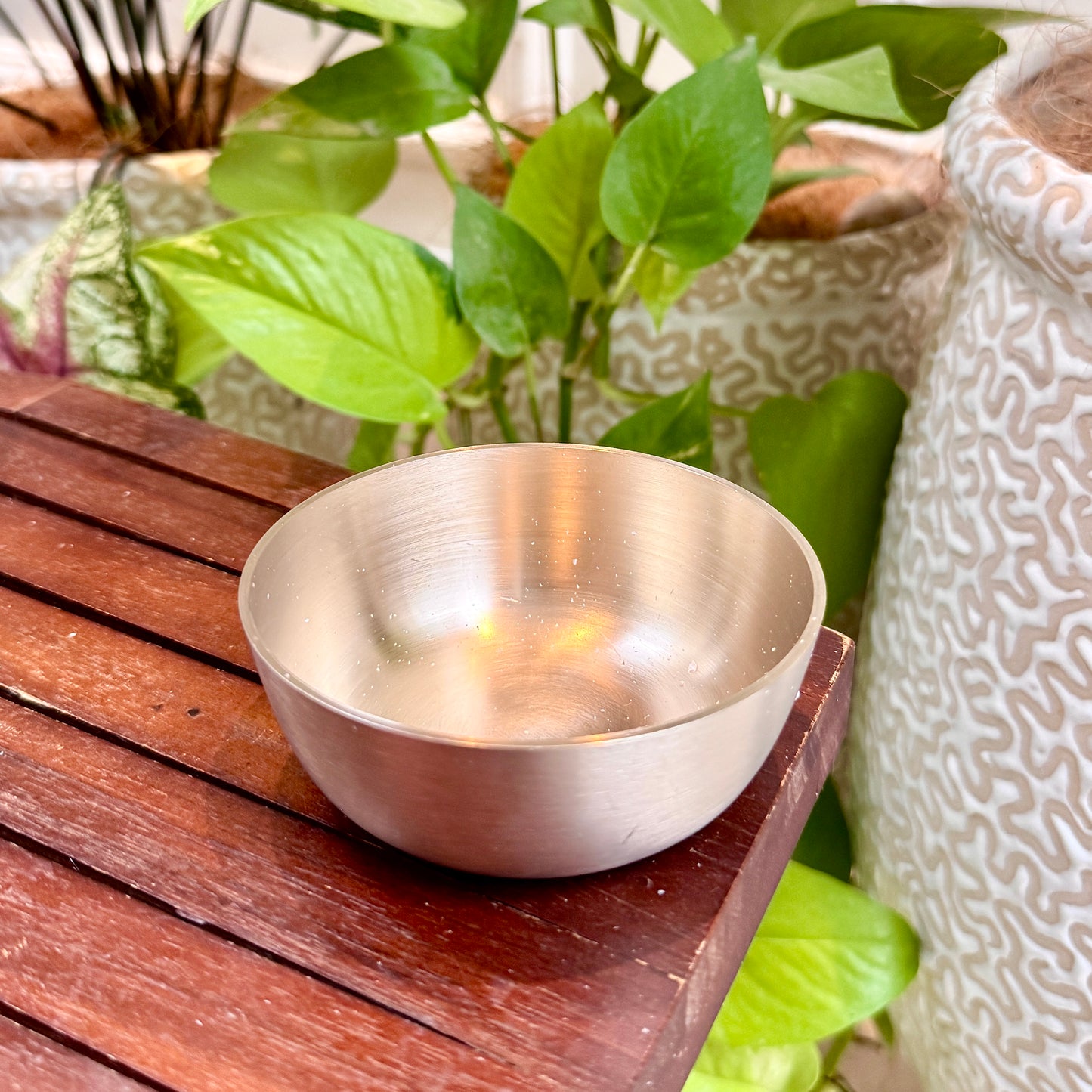
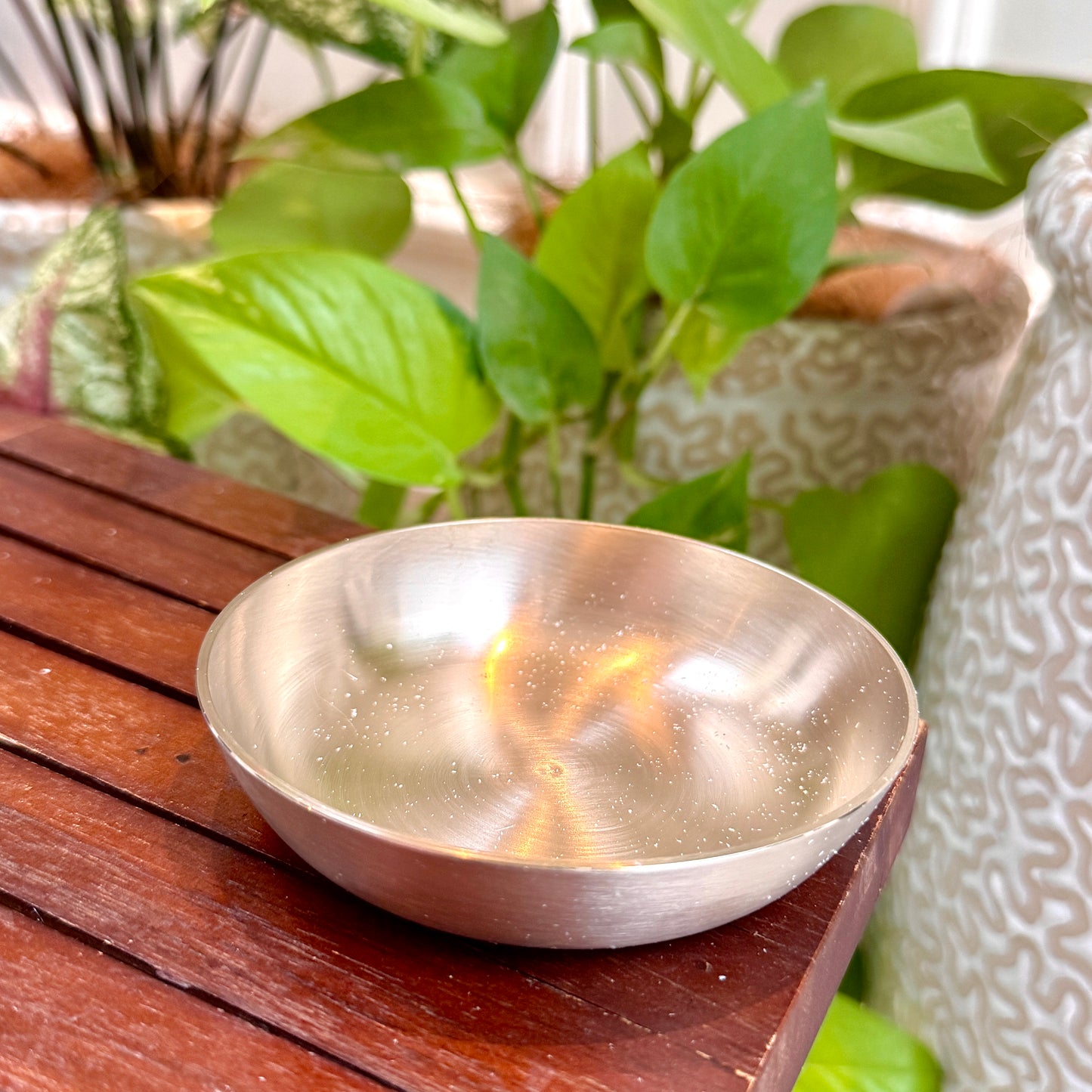
The dabara (a wide, flat-bottomed cup) and tumbler (a tall cylindrical cup) are as essential to South Indian filter coffee as the filter itself. The set is used for mixing, cooling, and drinking the coffee.
Traditionally made in brass or bell metal, the dabara-tumbler set has a satisfying weight and warmth that enhances the entire coffee experience. The sound of coffee being poured between the two vessels is, for many South Indians, the sound of home.
Our Coffee Filter Collections at Nayi Naveli
We offer a range of handcrafted brass coffee filters and dabara sets for every coffee lover:
- Coffee Filter and Dabara Set (Gift Box) — perfect for gifting, beautifully packaged
- Premium South Indian Brass Filter Coffee Dabara Set — our bestselling everyday set
- Premium South Indian Coffee Filter – Matte Finish — available in sizes 1-4 for different brewing quantities
- Golden Gift Box Edition — for the ultimate coffee lover gift
Whether you're a lifelong filter coffee devotee or just discovering this beautiful tradition, the right equipment makes all the difference. Explore our coffee filter collection and elevate your morning ritual.
Because great coffee deserves great company — and great equipment. ☕✨